



Belgium’s domestic B2B invoicing rules changed on January 1, 2026. If you sell on Amazon and you are Belgium-established or VAT-registered in Belgium, you need to treat PEPPOL as a system requirement, not a finance admin task you can leave for later.
Belgium now expects structured e-invoices for Belgian domestic B2B supplies, delivered through the PEPPOL network. That shift hits Amazon sellers in a very specific place: invoicing to Amazon Business buyers in Belgium, plus the workflows your bookkeeper uses to keep invoices, VAT, and month-end close clean.
Key Takeaways from this Post
Belgium’s B2B e-invoicing mandate started January 1, 2026, and it requires structured e-invoices exchanged via the PEPPOL network for domestic B2B transactions between Belgian VAT-registered businesses.
If you are a Belgium-based Amazon seller using VAT Calculation Service, Amazon’s guidance says you must add a valid PEPPOL ID so the service can generate invoices for Belgian domestic B2B sales starting on that date.
For the accounting side, you can keep month-end under control by automating Amazon settlement reconciliation in Xero or QuickBooks with Link My Books, so PEPPOL compliance does not turn into a second manual workload.







What Is Belgium’s Mandatory PEPPOL E-Invoicing?
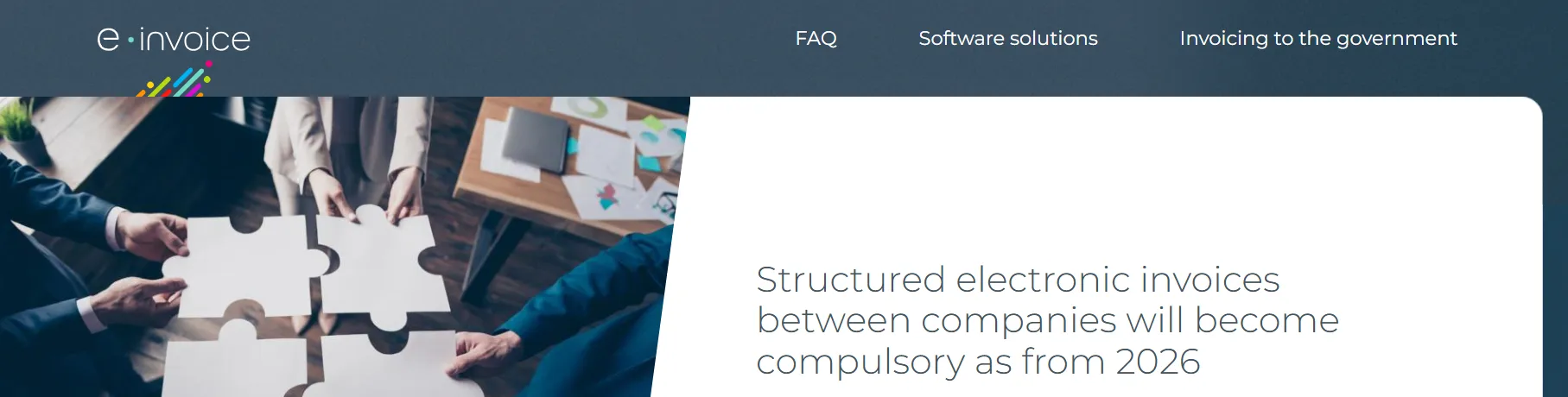
Belgium requires structured electronic invoices for domestic B2B transactions between Belgian VAT-registered companies since January 1, 2026. A PDF emailed to a customer may still exist as a human-readable copy, but it does not meet the same standard as a structured e-invoice that systems can process automatically.
Belgium’s official framing matters here:
- A “classic” electronic invoice: A document issued and received in any electronic form (including PDF).
- A structured electronic invoice: An invoice in a structured format that supports automatic, electronic processing.
Why PEPPOL Sits at the Center of This
Belgium is setting a structured format requirement and expects businesses to exchange those invoices system-to-system. Belgium’s official guidance also makes the practical point clear: a PDF invoice sent by email no longer meets the requirement for Belgian B2B invoicing since January 1, 2026.
PEPPOL acts as the delivery network that makes that “system-to-system” exchange workable at scale. Instead of every business building one-off integrations, PEPPOL routes invoices between approved access points using standardized identifiers and capabilities.
What a PEPPOL ID Is (And Why Amazon Asks for It)
A PEPPOL ID (often called a participant ID or endpoint ID) works like an address inside the PEPPOL network. It tells the network where to route a structured e-invoice so it lands in the right recipient’s software setup.
In plain terms:
- Your VAT number is not automatically your routing address.
- Your PEPPOL ID is the routing address your invoicing provider registers and publishes so others can find you.
- You can often confirm whether a business appears on the network by searching the PEPPOL Directory.
That’s why Amazon requires you to provide a valid PEPPOL ID. If the ID is missing or invalid, Amazon (or Amazon’s invoicing flow via VAT Calculation Service) cannot reliably route compliant Belgian B2B e-invoices for domestic transactions.
What This Means for Amazon Sellers Using VAT Calculation Service
If you are Belgian-established or VAT-registered in Belgium and you use Amazon’s VAT Calculation Service, treat this like a cutoff date with operational consequences.
Based on Amazon’s notice, here’s the practical impact January 1, 2026:
- Missing PEPPOL ID: VAT Calculation Service cannotsince generate e-invoices for Belgian domestic B2B transactions.
- Downstream issues: You can rack up invoice defects and create friction with Amazon Business customers who expect compliant invoices.
- Reporting: Amazon will surface failed e-invoice generation reasons inside your VAT Calculation Report (VCR).
The Action You Need to Take Inside Seller Central
Amazon’s instruction is straightforward:
- Go to: Settings in Seller Central, and click Account info
- Find: Your Tax Information
- Find: Your Belgian VAT number
- Click: Edit
- Add: Your PEPPOL ID
Who This Applies To (And Who May Fall Outside the Scope)
For Amazon sellers, Amazon’s own guidance frames the impacted group as Belgian VAT-registered and Belgian-established sellers using the VAT Calculation Service (VCS) that need to generate invoices for domestic B2B transactions.
One nuance matters for bookkeepers who manage cross-border structures: Belgian authorities have indicated that non-established entities that only hold a Belgian VAT registration can fall outside the scope of the Belgian B2B e-invoicing mandate. You still need to check your facts for the specific entity item.
How to Get a PEPPOL ID (Practical Version)
You do not register with PEPPOL directly. You typically get a PEPPOL ID through a PEPPOL Access Point provider, which registers your business on the network and makes you routable for e-invoice delivery.
A simple way to think about it:
- Choose a PEPPOL Access Point provider: They onboard you and handle network registration.
- Receive your PEPPOL ID (endpoint ID): This becomes your address on the PEPPOL network.
- Confirm discoverability if needed: You can search the PEPPOL Directory by company name or endpoint ID, but note that some participants may not appear there depending on how their provider publishes data.
What Breaks on Amazon If You Skip This
Amazon’s guidance has been tying this requirement to invoice generation through the VAT Calculation Service since January 1, 2026. If your PEPPOL ID is missing or invalid, you may not be able to generate compliant e-invoices for Belgian domestic B2B transactions. Amazon also warns that missing e-invoices can increase invoice defects and impact your obligations to Amazon Business customers.
Amazon also states that failed e-invoice generation reasons will show up in your VAT Calculation Report (VCR). That detail matters because it gives your bookkeeper a place to monitor issues and create an exceptions workflow instead of discovering problems weeks later through customer complaints.
What Bookkeepers Should Do Differently for January 2026
Start treating “PEPPOL readiness” like a month-end close dependency for any Belgian-established client selling B2B domestically.
Here’s a tight checklist your Amazon bookkeeping team can run:
- Confirm scope: Belgian-established vs. non-established VAT-only registration.
- Capture the PEPPOL ID: Store it in the client’s compliance notes and onboarding checklist.
- Validate routing visibility if needed: Use the PEPPOL Directory and, if relevant, confirm with the client’s provider whether they publish the business card to the directory.
- Build an exceptions workflow: Review the VAT Calculation Report (VCR) regularly for failed e-invoice reasons and fix them fast.
What This Looks Like for Amazon Sellers in Belgium
Belgium’s mandate focuses on Belgium-to-Belgium B2B transactions between VAT-registered enterprises. That matters because it narrows the scope to cases where the customer and supply sit in Belgium, not every sale you make across EU stores.
Common Amazon scenarios where this can show up:
- Amazon Business orders shipping within Belgium: If the buyer is a Belgian business and the supply qualifies as a domestic Belgian B2B transaction, you fall into the mandate’s lane.
- Belgian-established seller with Belgian VAT setup: If you issue invoices for Belgian domestic B2B supplies, Belgium expects structured e-invoices exchanged system-to-system, not PDFs.
- You use Amazon VAT Calculation Service for invoicing: Amazon’s guidance flags a concrete dependency - you must add a valid PEPPOL ID to keep domestic B2B e-invoice generation working from January 1, 2026.
The Most Common Operational Traps
This change means you can no longer use PDFs and manual fixes. Because problems typically show up first in invoicing and then in your month-end close.
- Assuming a PDF still counts: Belgium’s guidance says a PDF sent by email (or via a platform) will no longer meet the requirement for in-scope Belgian B2B transactions.
- Treating the PEPPOL ID like a nice-to-have: If your PEPPOL ID is missing or invalid, Amazon’s VAT Calculation Service may fail to generate domestic B2B e-invoices from January 1, 2026.
- Entity mismatch: The business issuing invoices must align with the VAT registration and the legal entity your bookkeeper uses for the accounting file. This issue causes “why did invoicing fail?” headaches later.
- No exception workflow: Amazon says failed e-invoice generation reasons will appear in the VAT Calculation Report (VCR). If nobody checks it, issues sit unnoticed until a buyer complains.
What to Monitor in the VAT Calculation Report (VCR)
Treat the VCR like an early warning system in Q1 2026.
A simple monitoring routine for bookkeepers:
- Frequency: Weekly check during the first 4 to 8 weeks after January 1, 2026.
- What to look for: Failed e-invoice generation reasons and repeated defects.
- What to do when you see failures: Fix the root cause fast (often missing PEPPOL ID, invalid ID, or setup mismatch), then re-check the next report cycle.
What This Changes for VAT Work (And What It Does Not)
Belgium’s mandate changes the invoice format and delivery method for in-scope domestic B2B transactions. It does not rewrite your VAT logic.
What stays the same:
- VAT still depends on the underlying transaction: place of supply, VAT liability, correct rates, and proper booking.
What changes:
- The compliant invoice for in-scope cases becomes a structured e-invoice exchanged system-to-system. A PDF no longer satisfies the requirement on its own.
How Link My Books Can Help With These new Changes and Save You Money?
PEPPOL compliance solves invoice delivery for Belgian domestic B2B. It does not solve the messy accounting work Amazon sellers actually drown in - you still have to deal with settlement lines, fees, refunds, and VAT treatment that must reconcile cleanly in your Amazon accounting software.
That’s where Link My Books fits:
- Automated reconciliation: Sync Amazon sales, fees, refunds, and taxes into Xero or QuickBooks in a structured, consistent way so your bank payout reconciliation stops being a manual project.
- Cleaner VAT visibility: Keep tax treatment consistent across the data you book from Amazon settlements, which helps reduce overpayment risk and correction work at filing time.
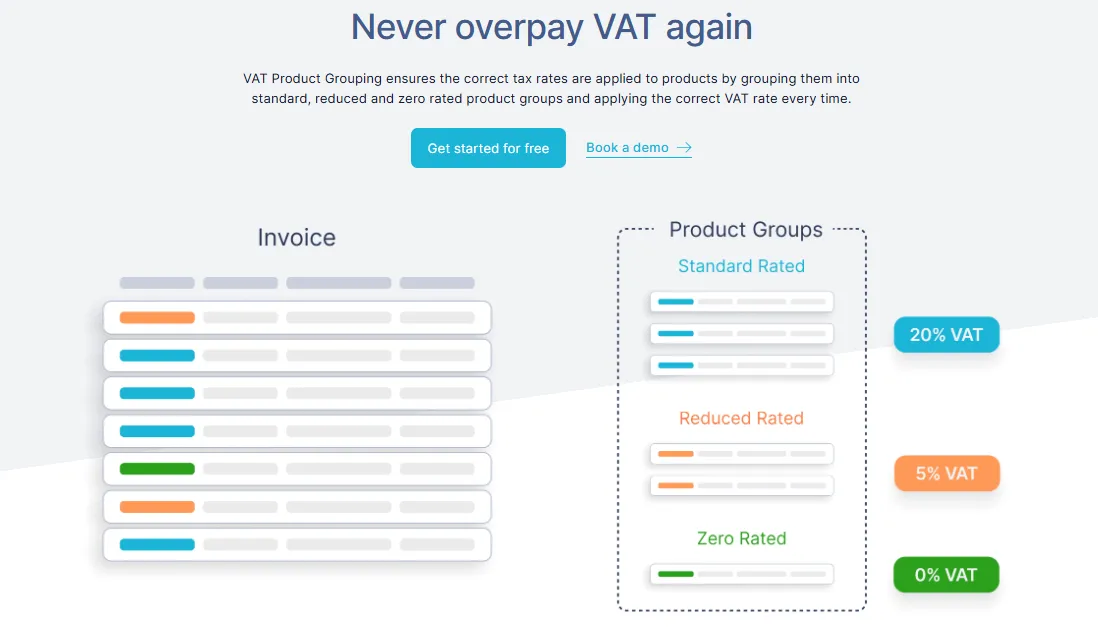
- VAT product grouping: Automatically group products into standard, reduced, and zero-rated VAT buckets (with auto-detection for Amazon) so the correct VAT rate applies every time.
- Faster close: When invoicing rules tighten, you do not want reconciliation chaos on top of it.
PEPPOL keeps your Belgian B2B invoices compliant. Link My Books keeps your Amazon books accurate. It syncs Amazon settlements into Xero or QuickBooks, automates reconciliation, and reduces VAT errors so you spend less time fixing data and less money on corrections.
FAQs
Do I need a PEPPOL ID if I only sell B2C in Belgium?
Belgium’s mandate targets domestic B2B e-invoicing between VAT-liable enterprises. If you do not issue in-scope Belgian domestic B2B invoices, the requirement may not apply in the same way.
What if I am VAT-registered in Belgium but not established there?
Belgian authorities have indicated non-established entities that only hold a Belgian VAT registration can fall outside the 2026 Belgian B2B e-invoicing mandate. Treat this as entity-specific and confirm your structure with a VAT adviser.
Where do I add my PEPPOL ID in Amazon?
Amazon’s guidance points you to Seller Central settings where you edit your Belgian VAT number under VAT Calculation Service to add the PEPPOL ID.
Get Started With Link My Books
Belgium’s PEPPOL requirement adds another compliance step for Belgian domestic B2B invoicing. You do not want that deadline to create a second problem: messy Amazon settlements, mismatched payouts, and a month-end close that turns into spreadsheet cleanup.
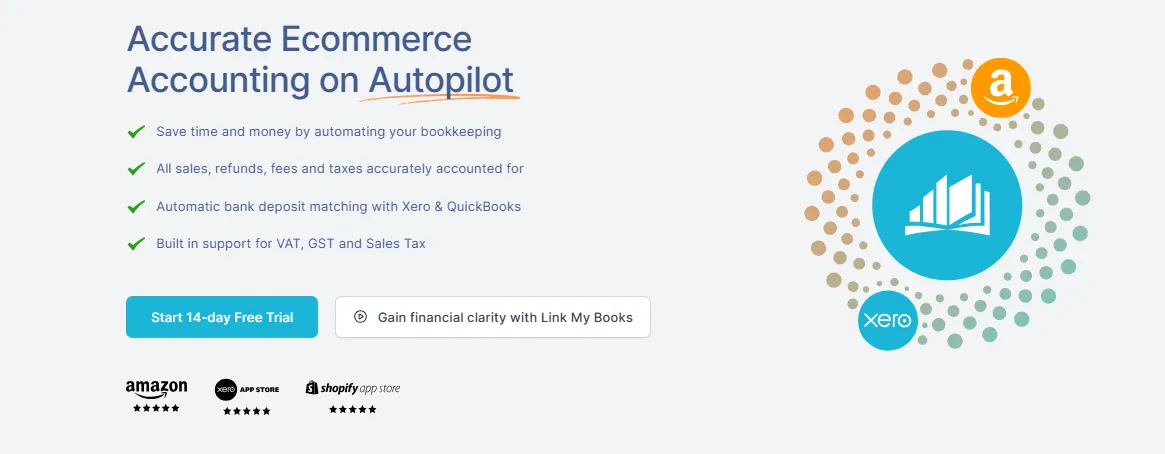
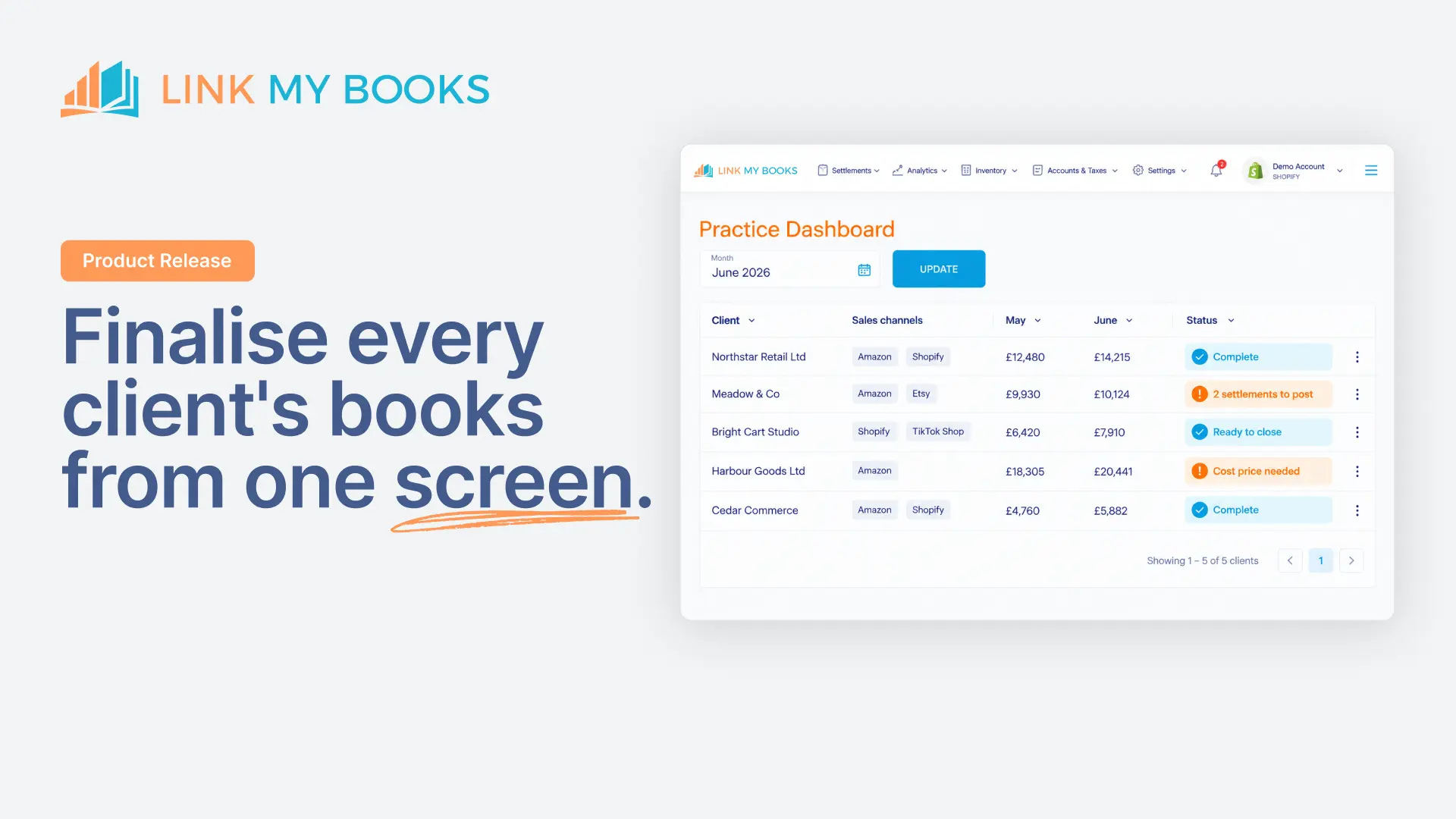
Link My Books removes the manual bookkeeping load that usually blows up when invoicing rules tighten. It automatically syncs your Amazon sales, fees, refunds, and taxes into Xero or QuickBooks, then helps you reconcile payouts accurately so your books stay clean without chasing settlement lines.
If you want to stay compliant on invoices and stay sane on month-end, try Link My Books for free!



.webp)



.png)